







Our mission
for modern lifestyle at competitive prices.
Spoked Vs. Integrated Wheels – How They Differ In Theory And On The Road
In e-bike specifications, you’ll often see two terms: spoked wheels and integrated wheels. At first glance the difference may seem minor, but each design behaves completely differently on the road - from handling and vibration absorption to long-term durability.
That’s why it’s worth clarifying how these two constructions work in practice. It also helps explain why some models - such as the JOBOBIKE Romer series - use traditional spokes, while others come with solid, one-piece rims. It’s not a matter of aesthetics, but of matching the wheel design to the intended use and rider expectations.
Spoked wheels – a classic solution that simply works
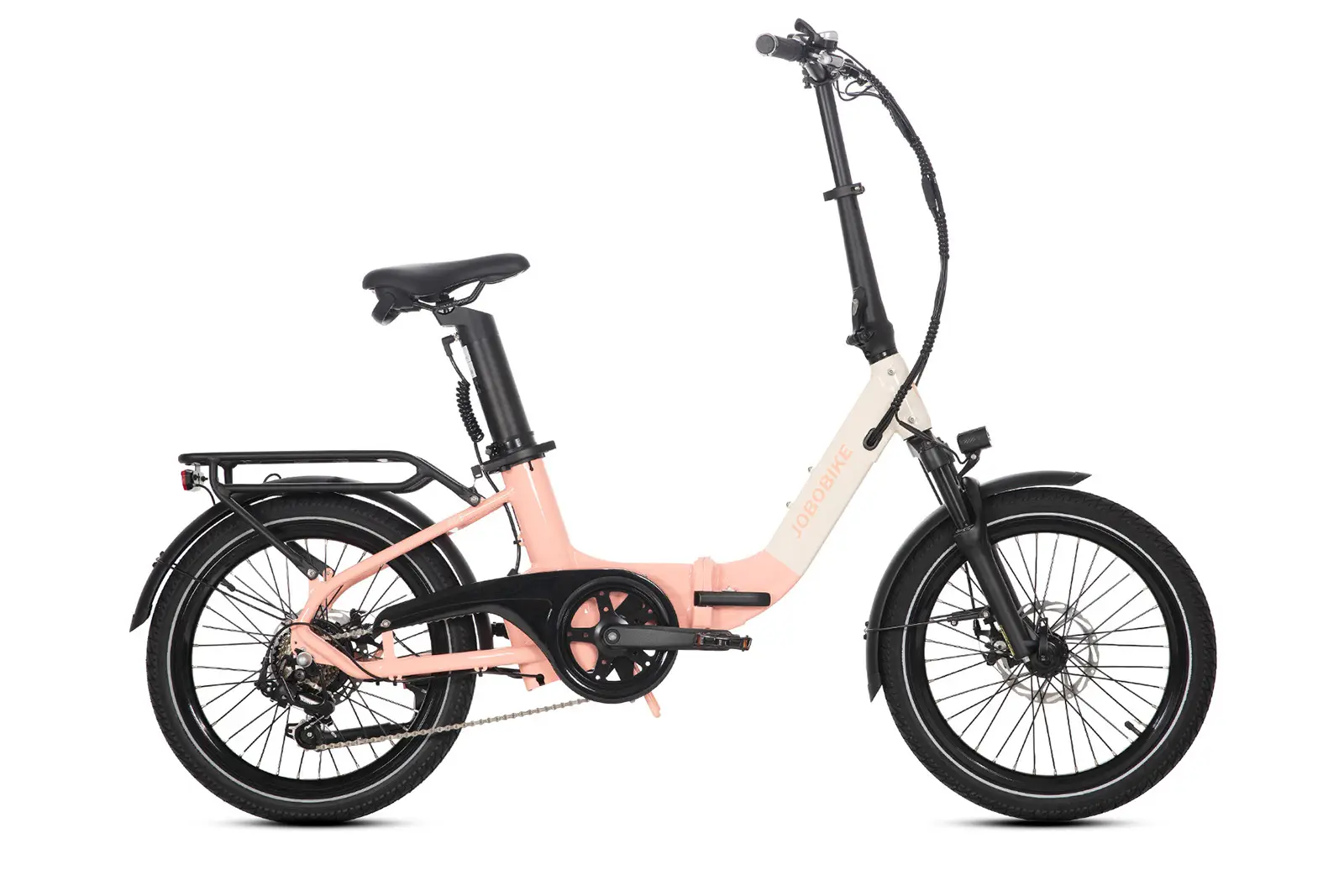
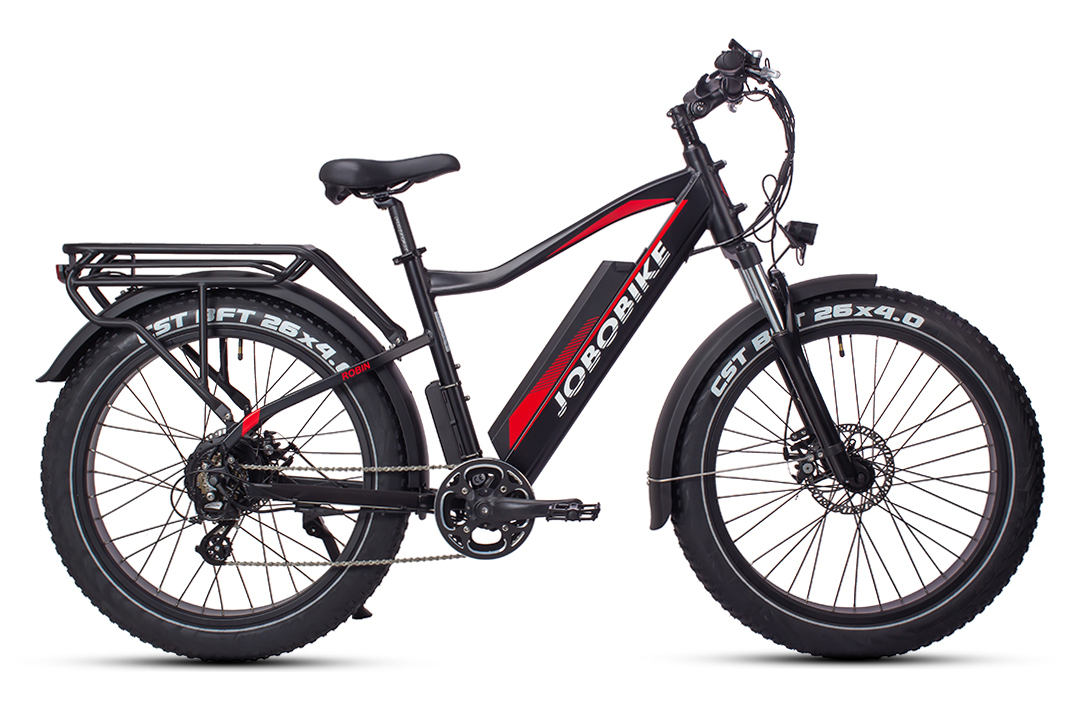
Spoked wheels remain the most common design in electric bicycles. The combination of rim, hub and tensioned spokes creates a slightly “flexible” structure that naturally absorbs small bumps and gives the ride a smoother, more organic feel.
In day-to-day use, this translates into predictable handling, especially in the city or during relaxed rides. Another major benefit is maintenance - if the wheel loosens, it can be trued easily, and single components can be replaced without effort.
This makes spoked wheels a practical, affordable and versatile choice for lighter e-bikes, recreational models or anyone who values a soft, natural riding feel.
Integrated wheels – a single solid structure for extra stability
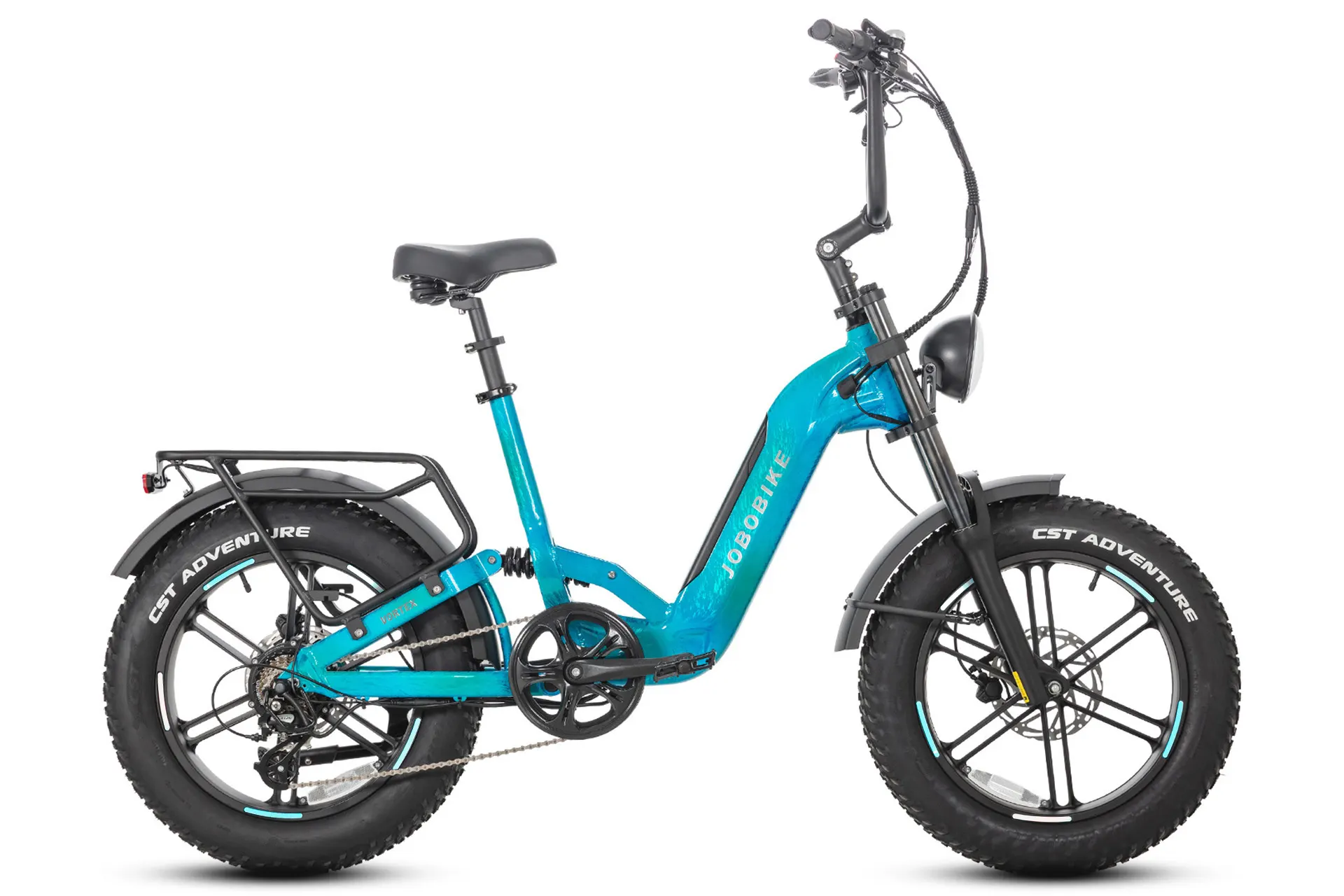
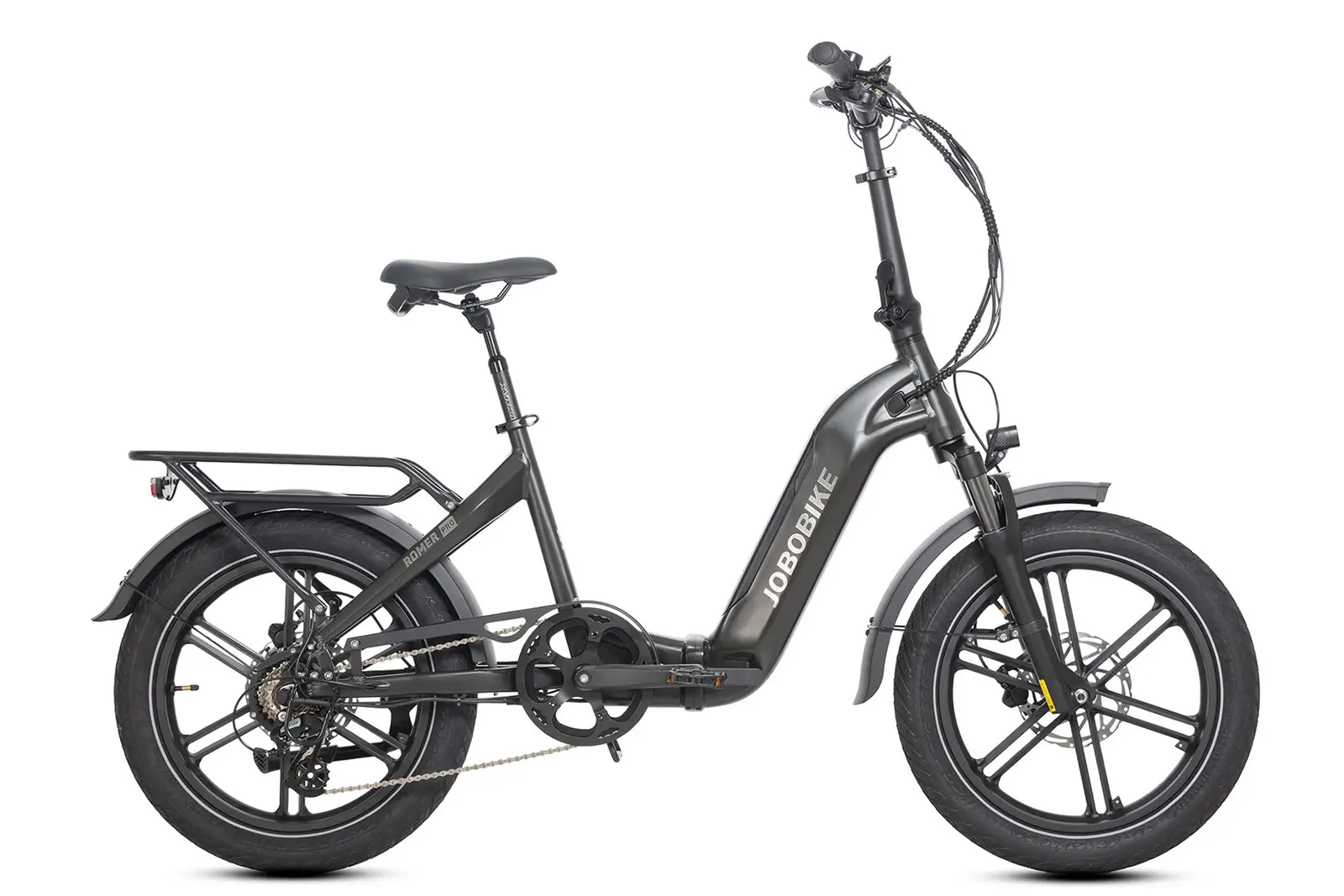
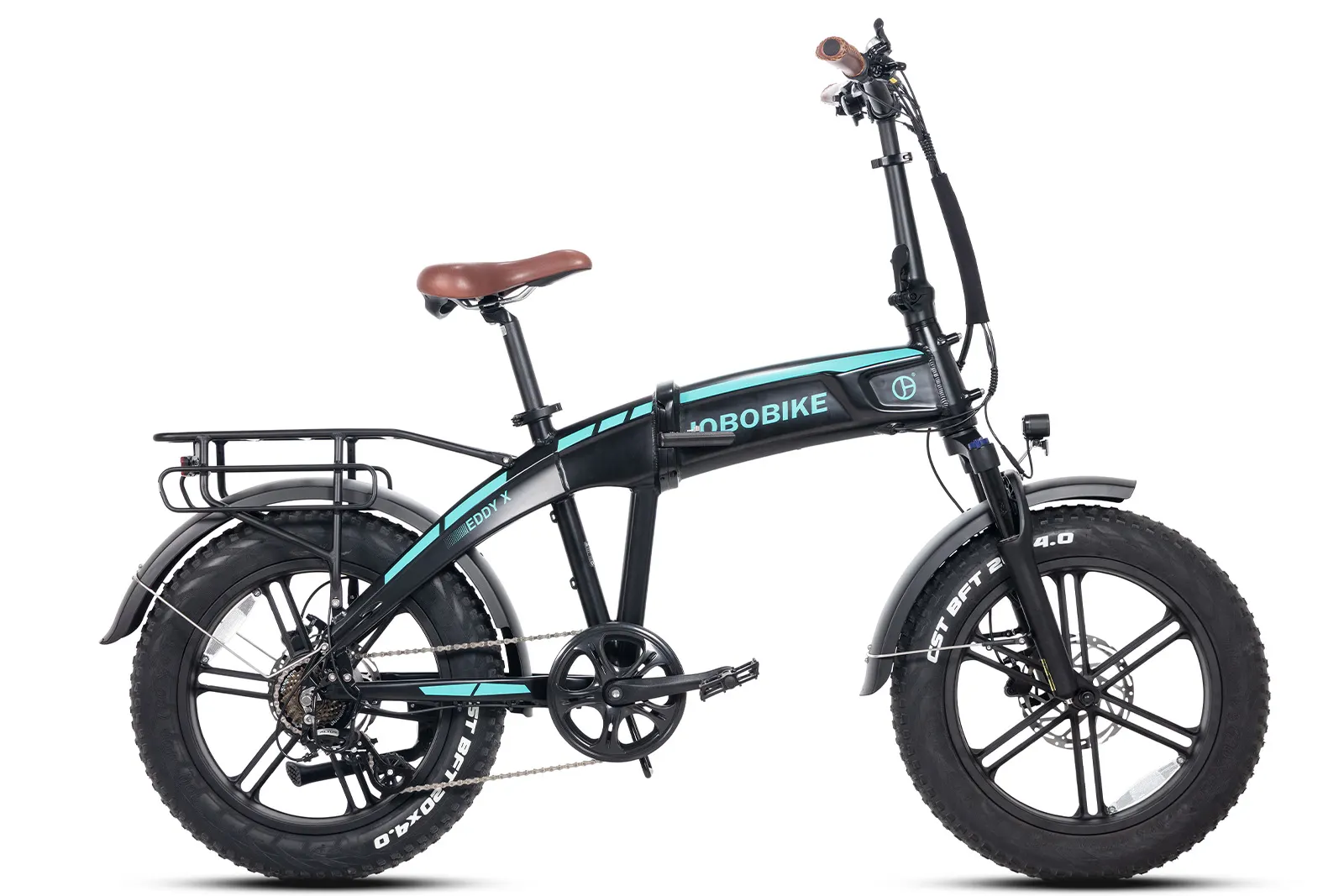
Integrated wheels are cast or molded as a one-piece structure, without traditional spokes. This design makes them stiffer and less prone to deformation under load, which is ideal in situations where the bike carries more weight or is used more dynamically.
These wheels offer consistent behavior during quick accelerations, cargo transport or on uneven terrain. They don’t require truing, and their stability is appreciated especially in more robust utility models.
They do, however, have a distinct character - they flex less and can transmit more vibration to the frame and handlebar. In return, the rider gains increased strength, rigidity and resistance to higher loads.
Differences in theory
Flex and vibration absorption
• Spoked: naturally smooth out small bumps; softer and more forgiving, especially in the city.
• Integrated: transmit more vibration; firmer and more rigid on the road.
Load handling
• Spoked: may require spoke-tension adjustments when carrying more weight
• Integrated: maintain rigidity under heavy loads and aggressive maneuvers
Handling characteristics
• Spoked: lighter, more fluid reactions
• Integrated: stronger lateral stiffness and predictable tracking on rougher surfaces
Maintenance
• Spoked: easy to true, parts can be replaced individually
• Integrated: no adjustments needed, but repairs often mean replacing the entire rim
Weight and bike character
• Spoked: usually lighter; great for recreational and urban e-bikes
• Integrated: slightly heavier but much more robust under intensive use
Best application
• Spoked: daily riding, relaxed touring, longer city routes
• Integrated: utility bikes, e-MTBs, fatbikes, cargo setups
Differences in real-world riding
Stop-and-go traffic, curbs and uneven pavements generally favor spoked wheels. Their natural flex smooths out micro-shocks, making them pleasant at lower speeds.
Integrated rims feel noticeably stiffer, which is more apparent during gentle cruising.
Mixed or uneven terrain
On gravel or worn roads, spoked wheels “work” with the surface, reducing rider fatigue.
Integrated versions stay firm even on sharper impacts, providing more control in demanding conditions - but they send a bit more vibration into the frame.
For bikes frequently carrying shopping, child seats, panniers or used more aggressively, solid rims handle the load more confidently.
Spoked wheels are still safe but may need periodic retensioning to stay perfectly aligned.
Longer recreational rides
For relaxed touring and everyday riding, spokes provide a smoother, more natural feel.
That’s why models focused on versatile use - such as the JOBOBIKE Romer - often rely on spoked wheels by default.
JOBOBIKE Romer Series – two approaches within the same category
Romer and Romer Pro clearly illustrate how wheel design influences the bike’s character.
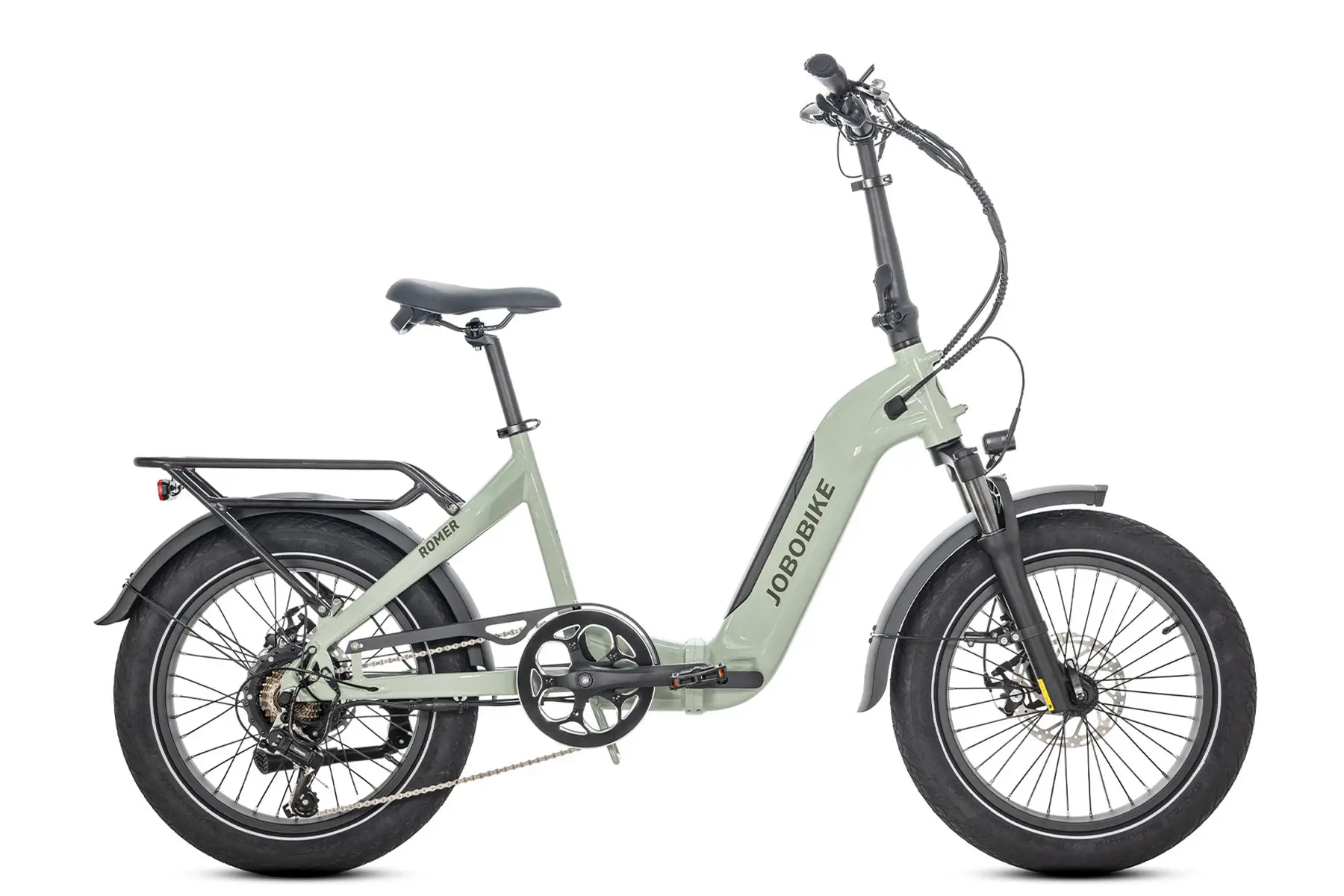
The standard Romer uses traditional spokes, resulting in lighter handling and better absorption of minor bumps. It’s a setup aimed at everyday comfort, leisure rides and urban use.
The Romer Pro, on the other hand, features a solid, stiffer rim. This structure handles higher loads, delivers more stable responses at higher speeds, and pairs well with the bike’s dual suspension and hydraulic brakes. It suits riders who demand greater durability, precision and confidence on varied terrain.
The choice between the two isn’t about appearance - it’s thoughtful engineering intended to match different riding styles.
Two solutions, two riding personalities
Both wheel types influence how an e-bike behaves on the road. One offers softer reactions and a fluid feel, while the other stays rigid and composed when things get demanding. That’s why both remain relevant - each caters to a different rider profile and purpose.
The JOBOBIKE Romer series shows clearly that wheel choice is not a minor detail. It shapes the bike’s character and helps match the model to real-life needs - relaxed rides or a more assertive pace, lighter loads or heavier equipment.
With this knowledge, choosing the right e-bike becomes much easier. Understanding how the wheels behave makes it possible to select a model that truly fits your riding style and will perform consistently over many seasons.
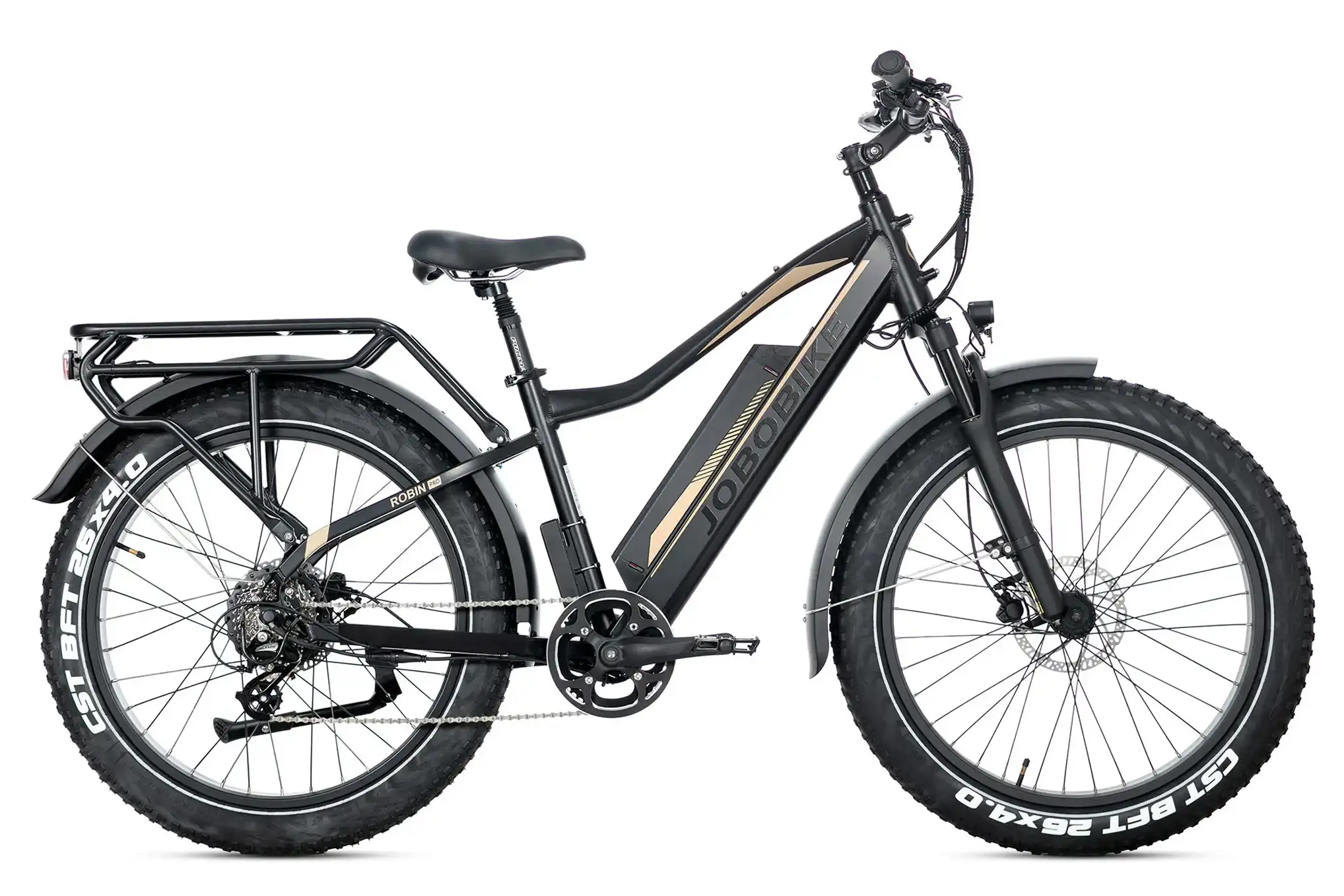
 JOBOBIKE Robin