







Our mission
for modern lifestyle at competitive prices.
E-Bike Safety Showdown: Regular Brakes vs. Motor Cut-Off Brakes
In modern designs, the priority is not just effective deceleration but also the instantaneous deactivation of power the moment the stopping maneuver begins. Therefore, to achieve maximum efficiency and enhance braking performance, we face a choice: stick with standard setups or opt for the support of Motor Cut-Off (motor power cutoff system)? In the following analysis, we compare these two solutions, examining their impact on stopping distance, wear, and component lifespan.
Force asymmetry – the limitations of traditional braking
The structure of an electric bicycle generates specific stresses. When braking is initiated, the drive unit may continue to deliver torque for a fraction of a second before the electronics register that pedaling has stopped.
This force asymmetry results in a phenomenon where the brakes must simultaneously perform the stopping function and counteract the assisting force generated by the motor. The consequences are direct and measurable:
• Extended stopping distance - this crucial safety parameter is compromised because energy must be dissipated over a longer time and distance.
• Thermal overload - intensive friction leads to the rapid heating of discs and brake pads, resulting in their accelerated degradation and the risk of "fading" (loss of braking force).
• Increased mechanical wear - the drivetrain and gears are subjected to unnecessary stress resulting from the confrontation between the braking force and the assistance force. Ultimately, this shortens the lifecycle of key, costly components.
Motor Cut-Off – the mechanism of precision deactivation
The Cut-Off system is the technological answer to the challenges of force asymmetry. Its operation is based on integrating a miniature, precise sensor within the brake lever. The moment the user applies pressure, the sensor instantaneously sends an electrical signal to the motor controller. This data transmission occurs in a fraction of a second, anticipating the actual clamping of the calipers onto the disc. The effect is precise and instant deactivation of the drive unit's power before the braking system begins physical deceleration.
The practical and technical advantages of this solution are unambiguous:
• Reduced stopping distance - eliminates the delay resulting from motor inertia, which translates to an instant reaction.
• Optimized system efficiency - brakes operate purely as a stopping force, without the need to overcome motor-generated resistance. This reduces thermal load.
• Component protection - the absence of confrontation between the drive and the brakes significantly limits strain on the gears, extending the lifespan of the motor and battery.
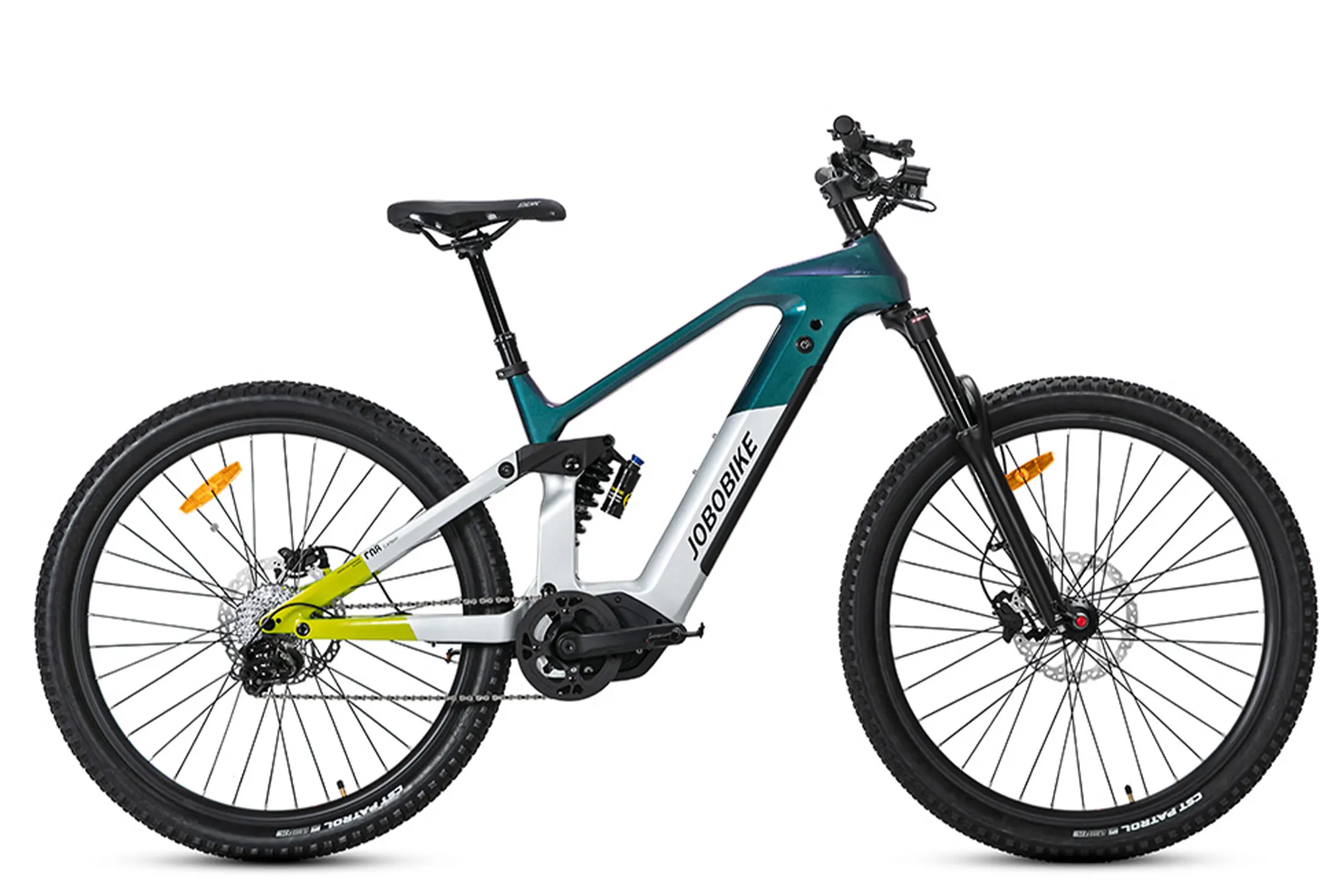
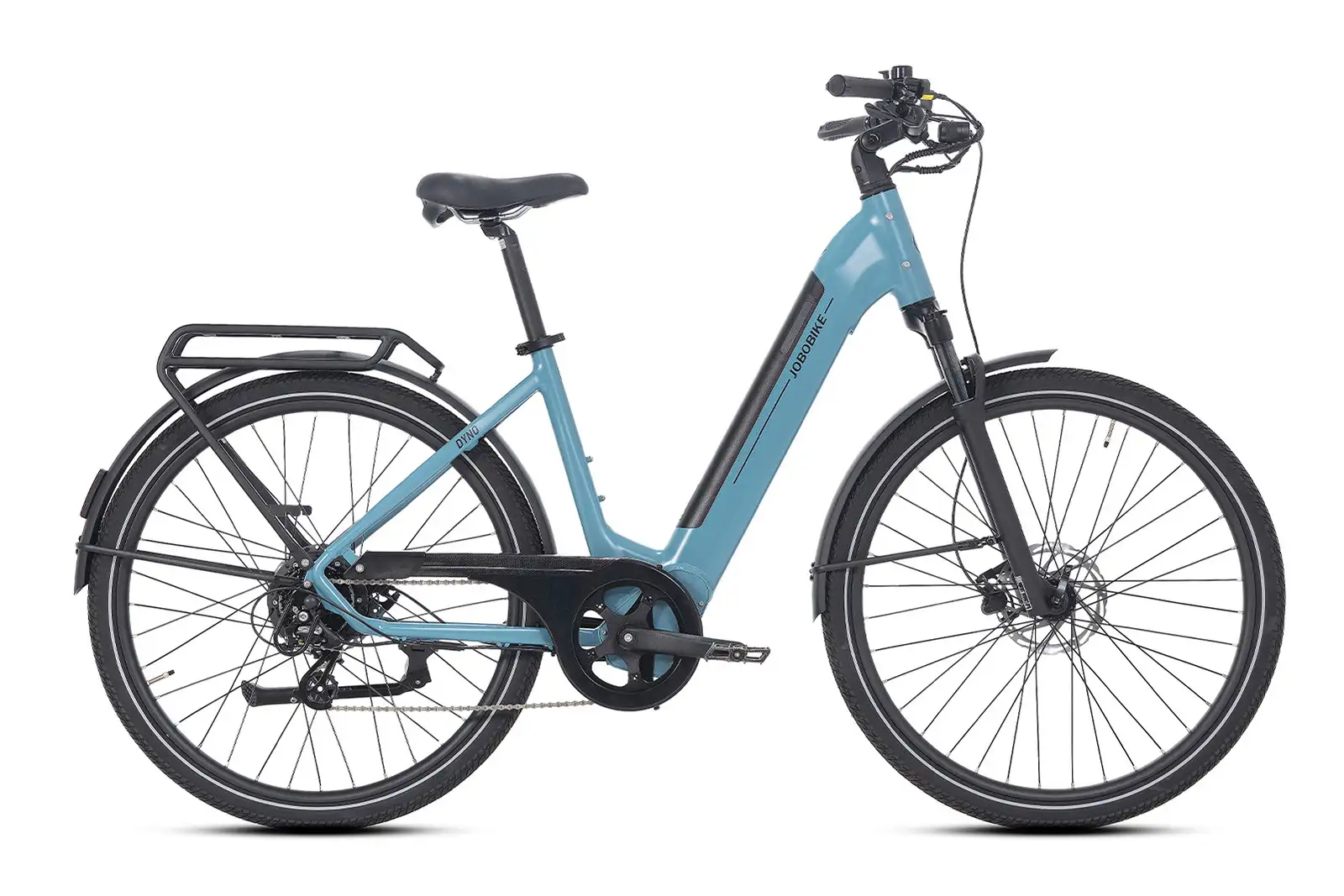
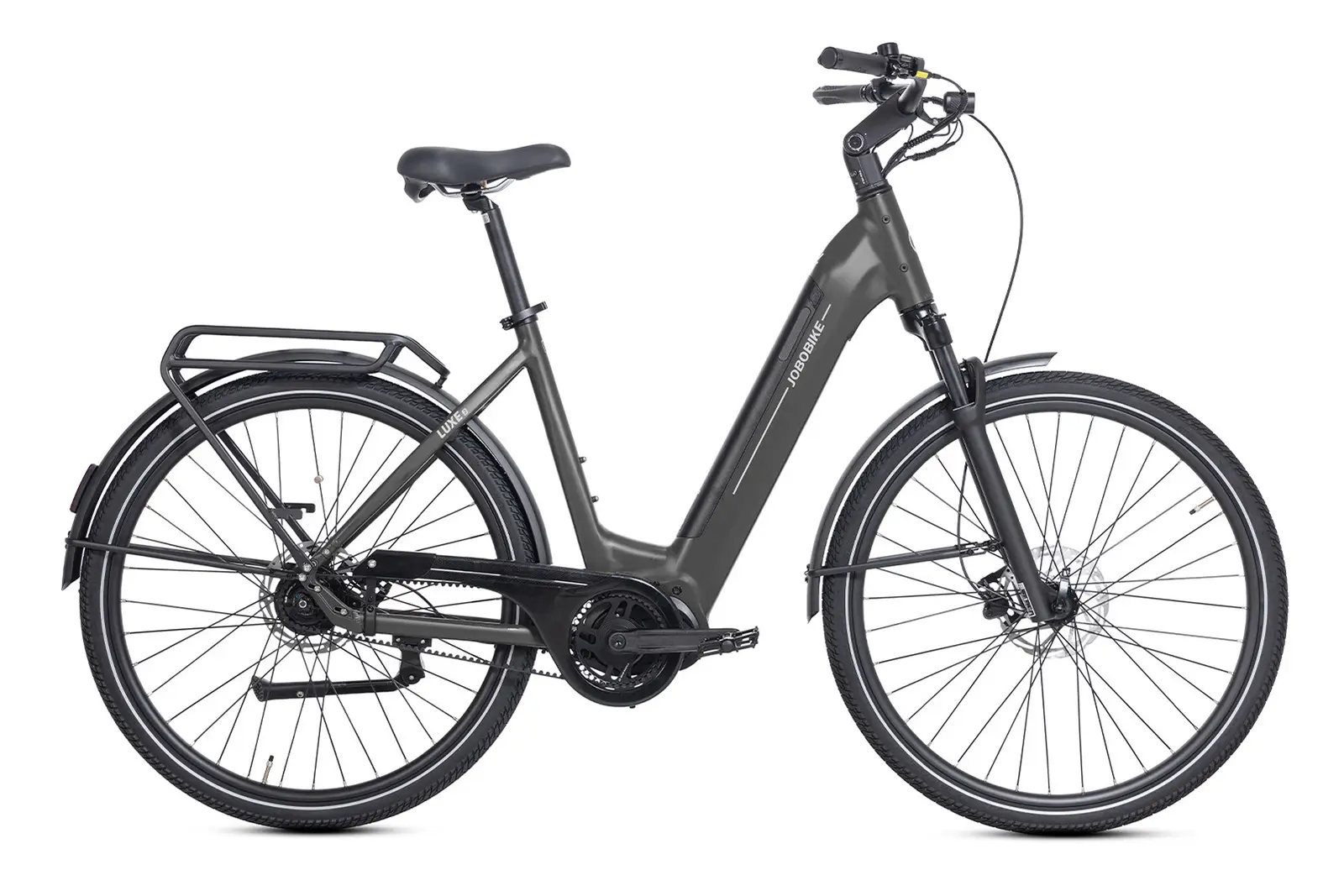
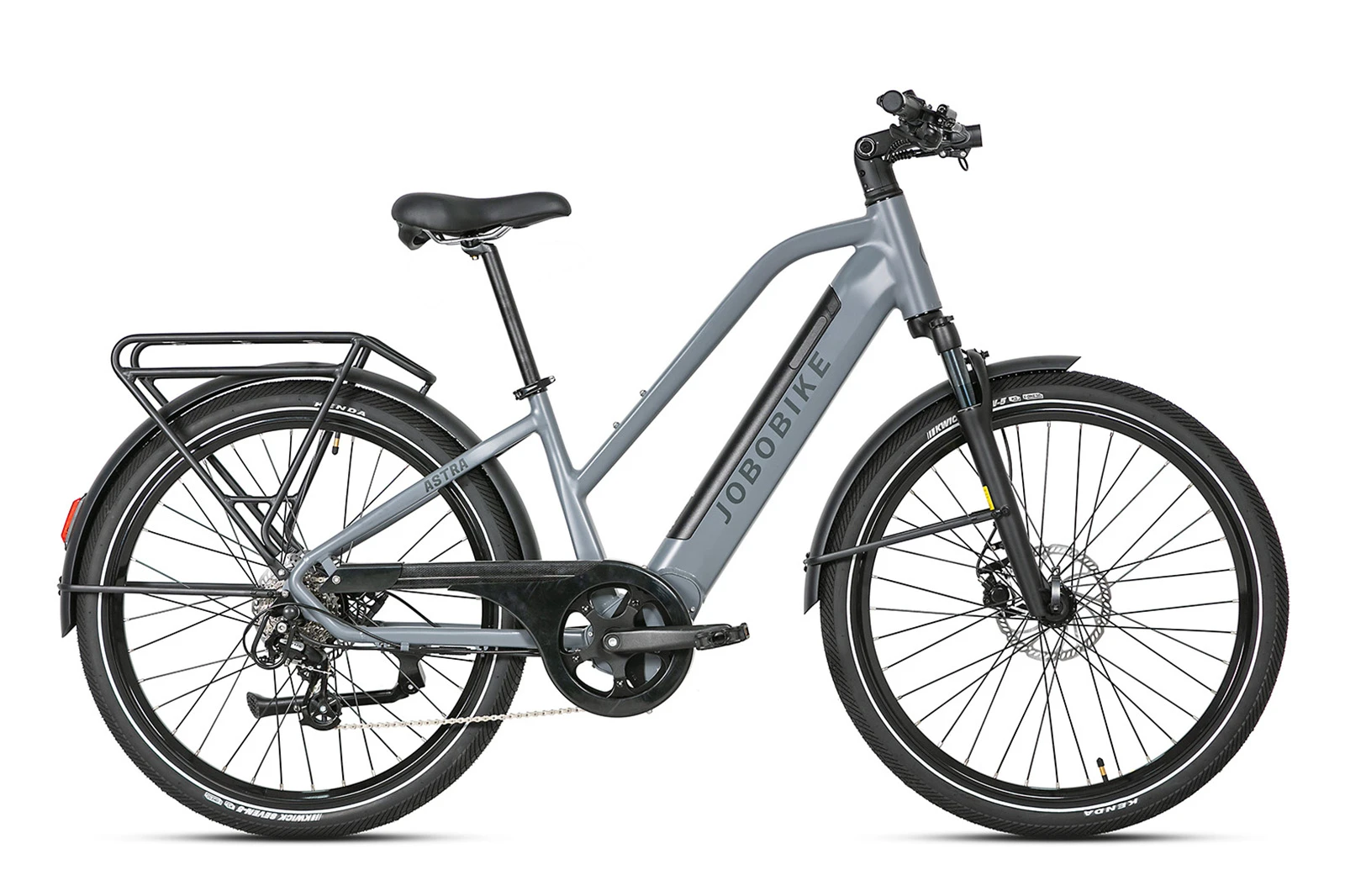
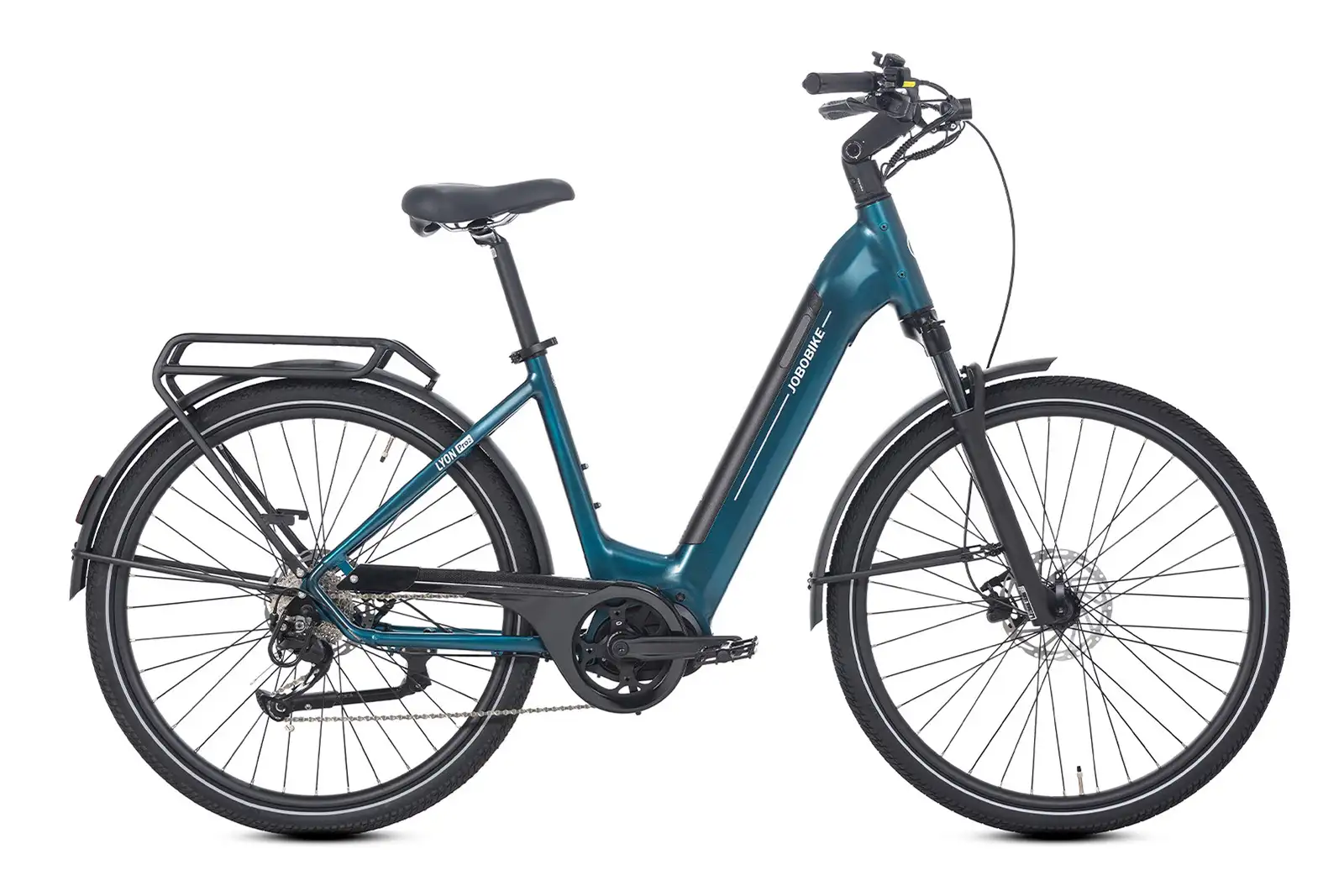
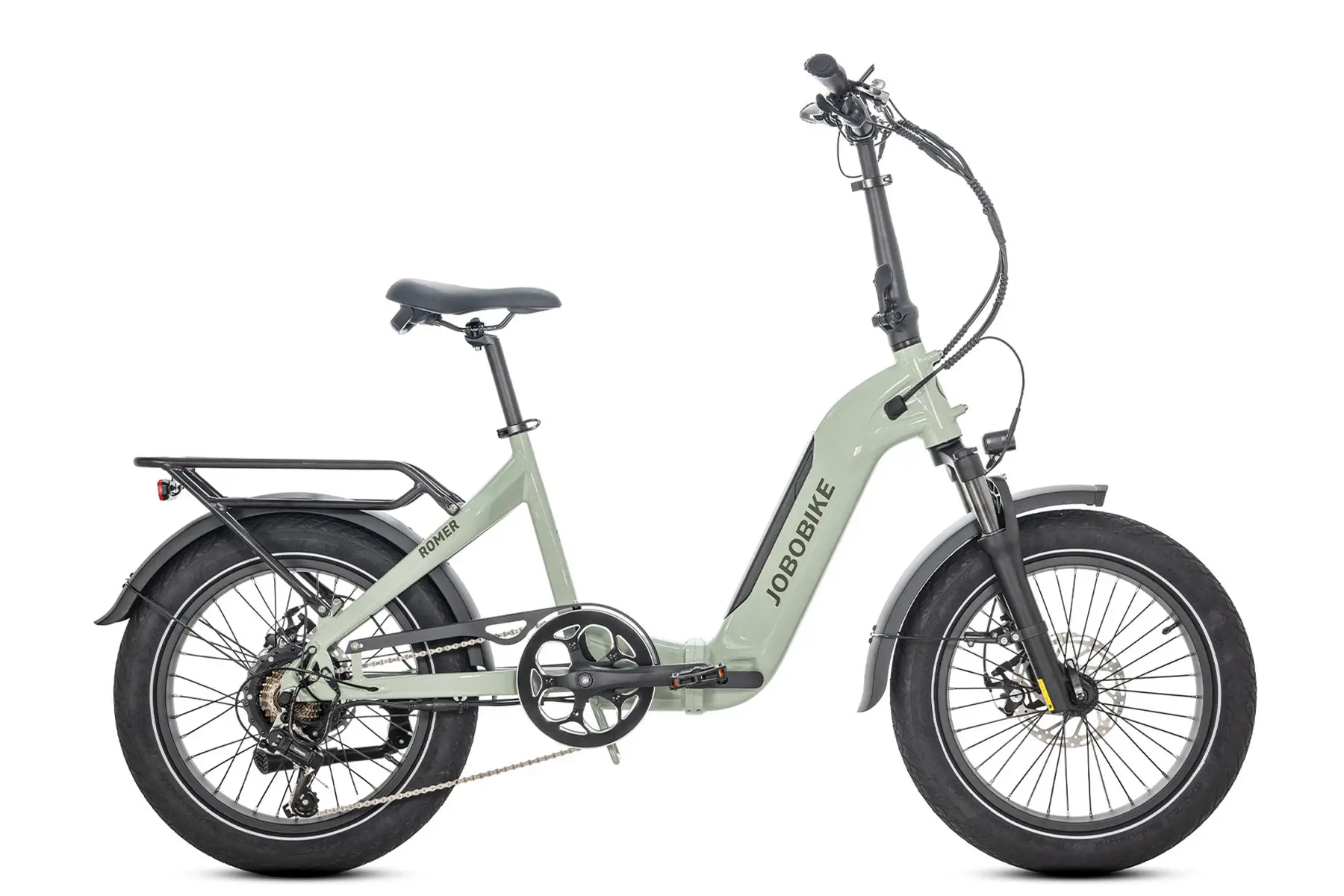
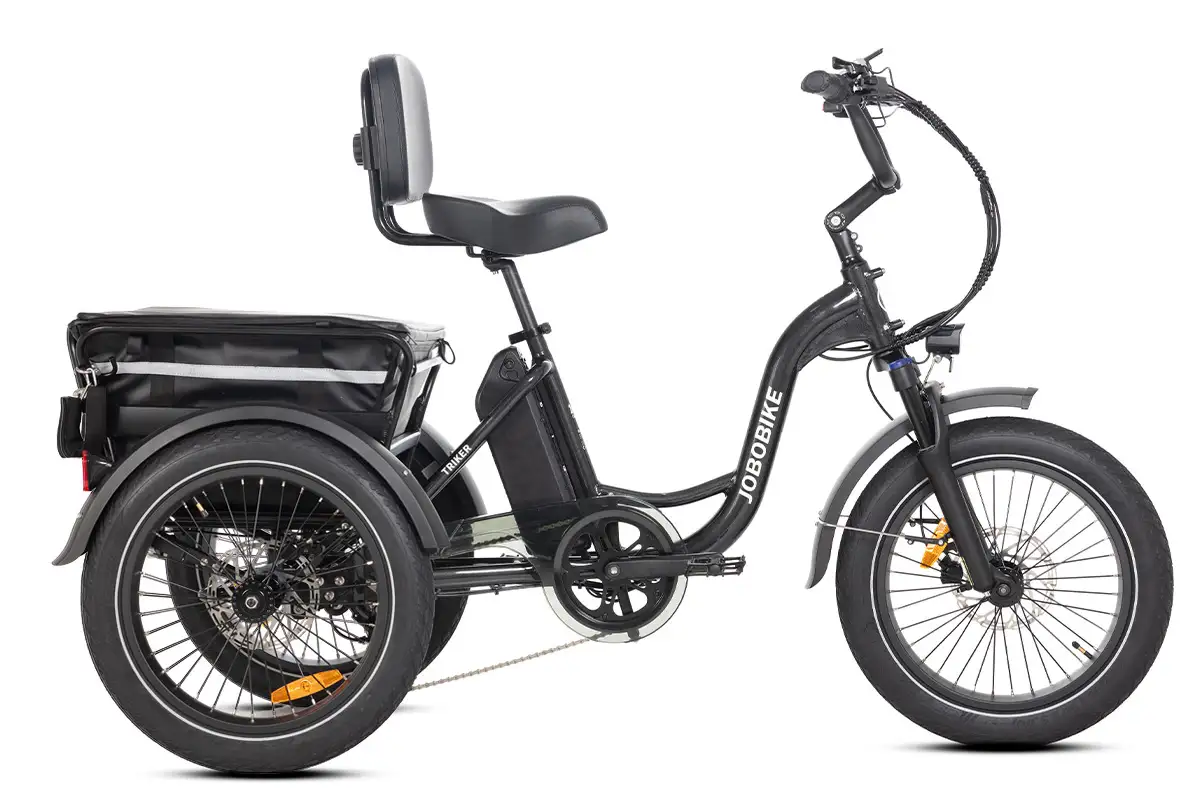
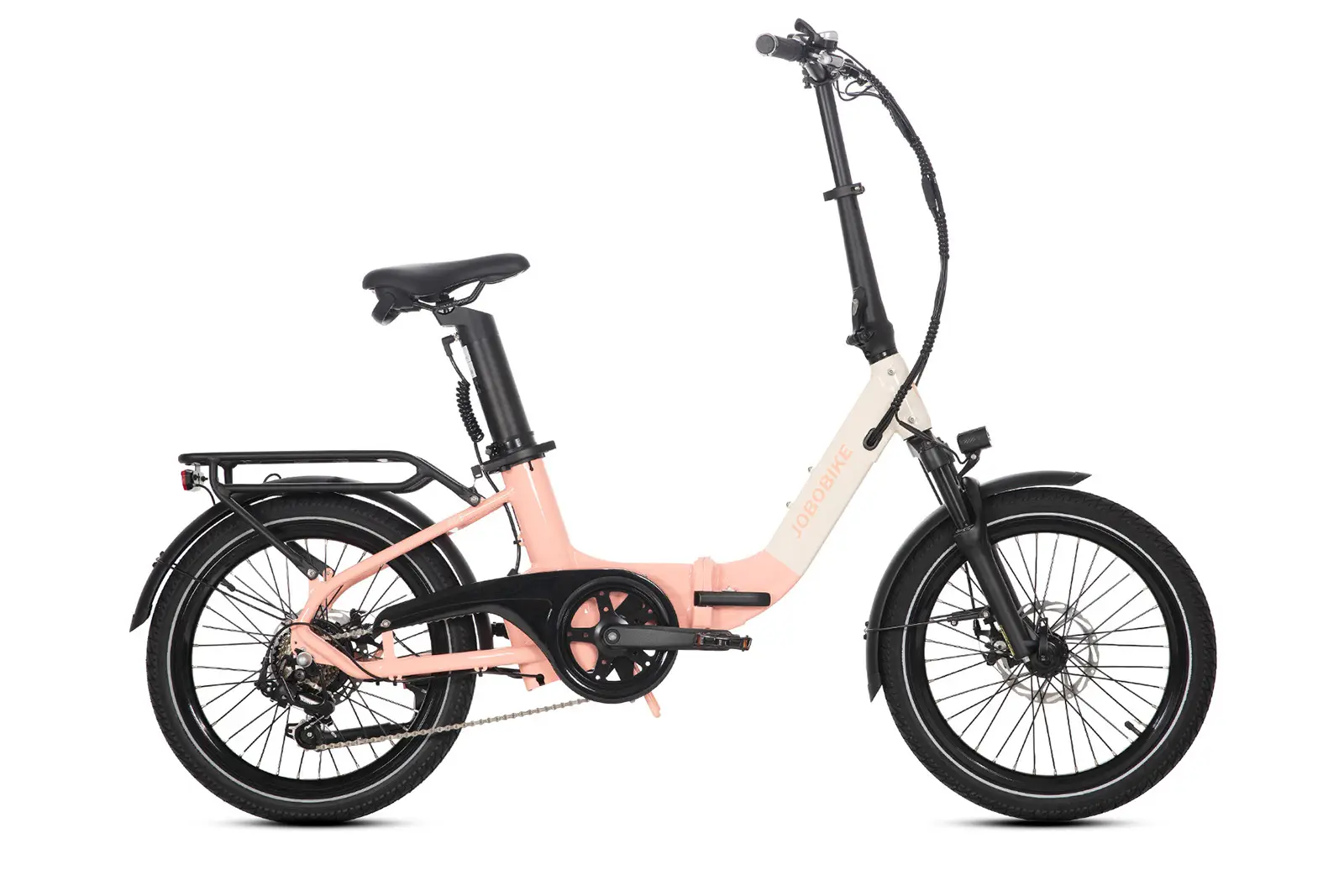
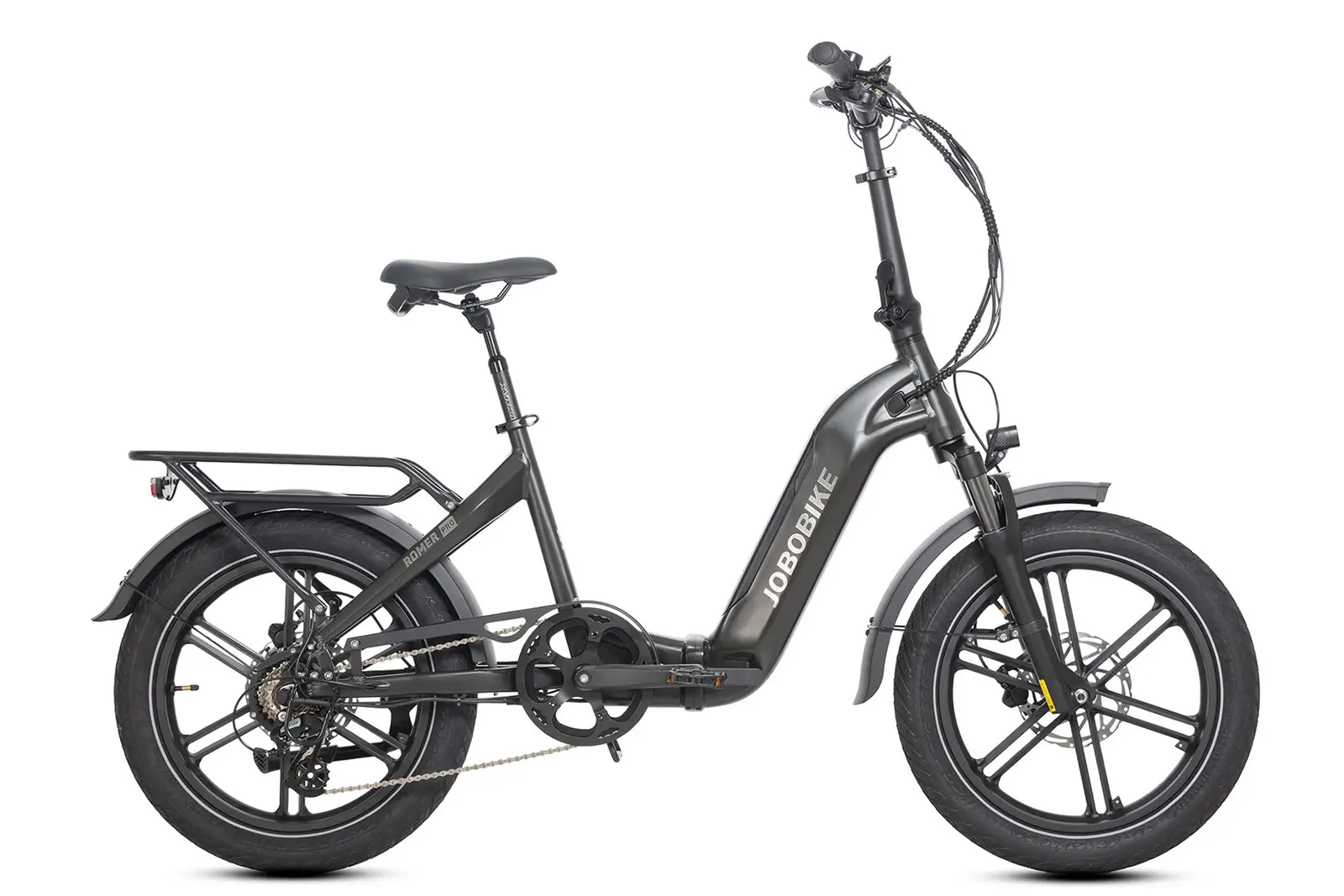
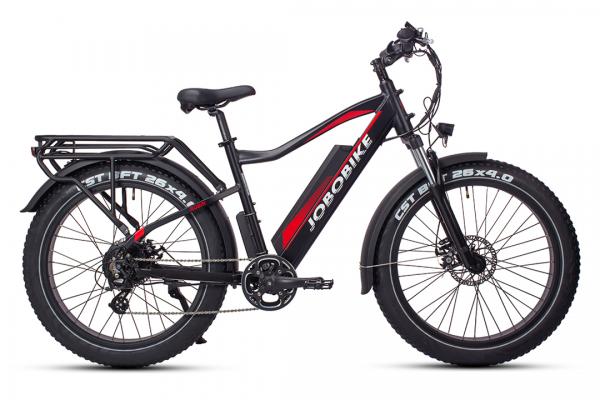
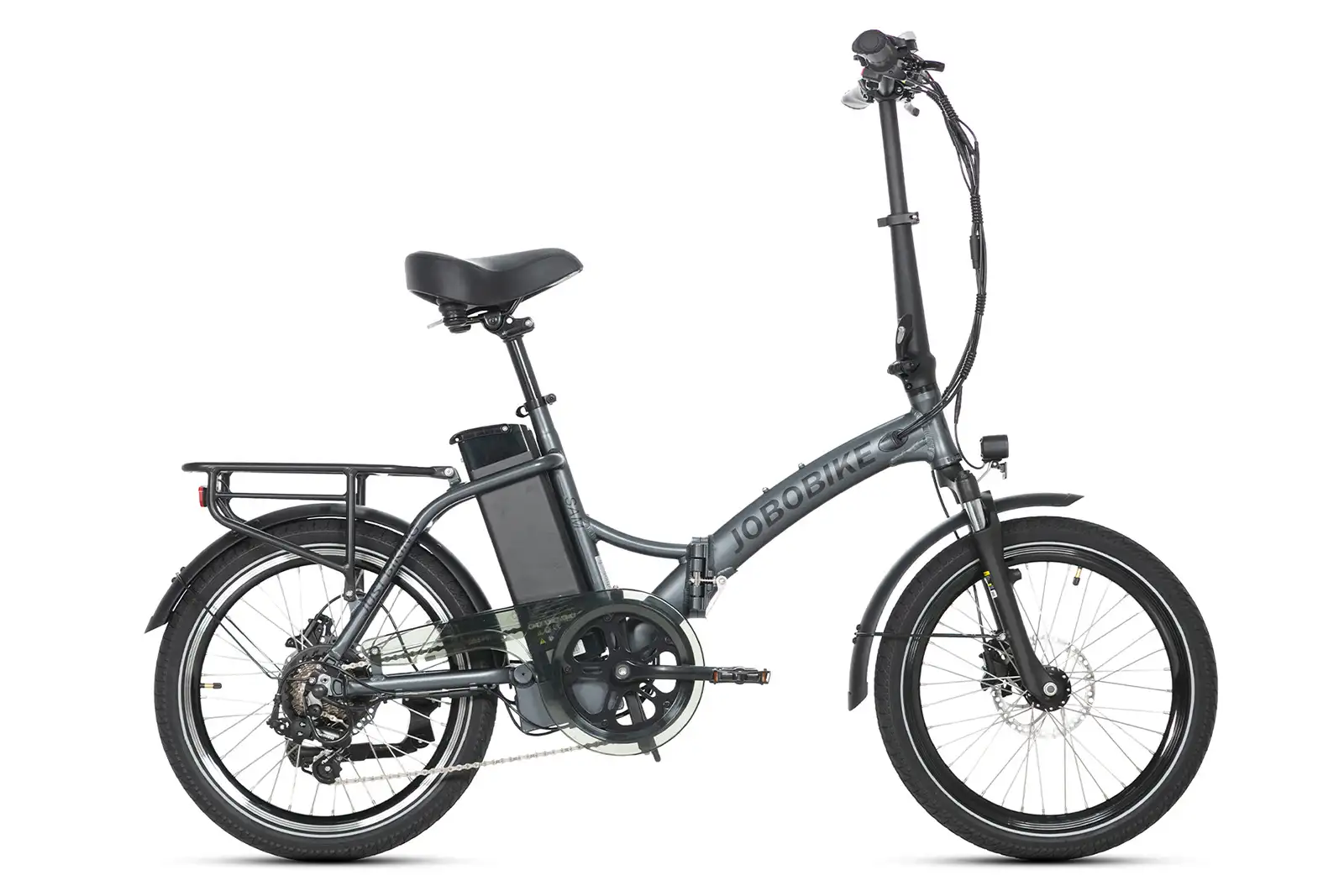
Motor Cut-Off technology is a standard in advanced JOBOBIKE designs, where the highest level of safety and durability is a priority.
Motor Cut-Off – enhanced control and safety
A direct comparison of traditional brakes with the Motor Cut-Off solution clearly shows that the integrated mechanism provides significant added value in terms of active and passive safety. By eliminating delay, the system offers a higher degree of bike control, which is invaluable in situations requiring a rapid response. This system is a rational and technical necessity, forming the foundation of every safe and durable e-bike.
The choice for discerning riders
Motor Cut-Off is not solely a safety-enhancing feature; it is an engineering element that confirms the manufacturer treats the electric bicycle as a distinct and more demanding type of vehicle. Choosing an e-bike equipped with this precise mechanism is an investment in superior operational efficiency, reduced wear on key components, and the assurance that in a critical situation, you gain valuable centimeters of stopping distance.
At JOBOBIKE, we focus on comprehensive solutions where drive power is perfectly correlated with stopping efficiency. For us, advanced safety is always the standard.

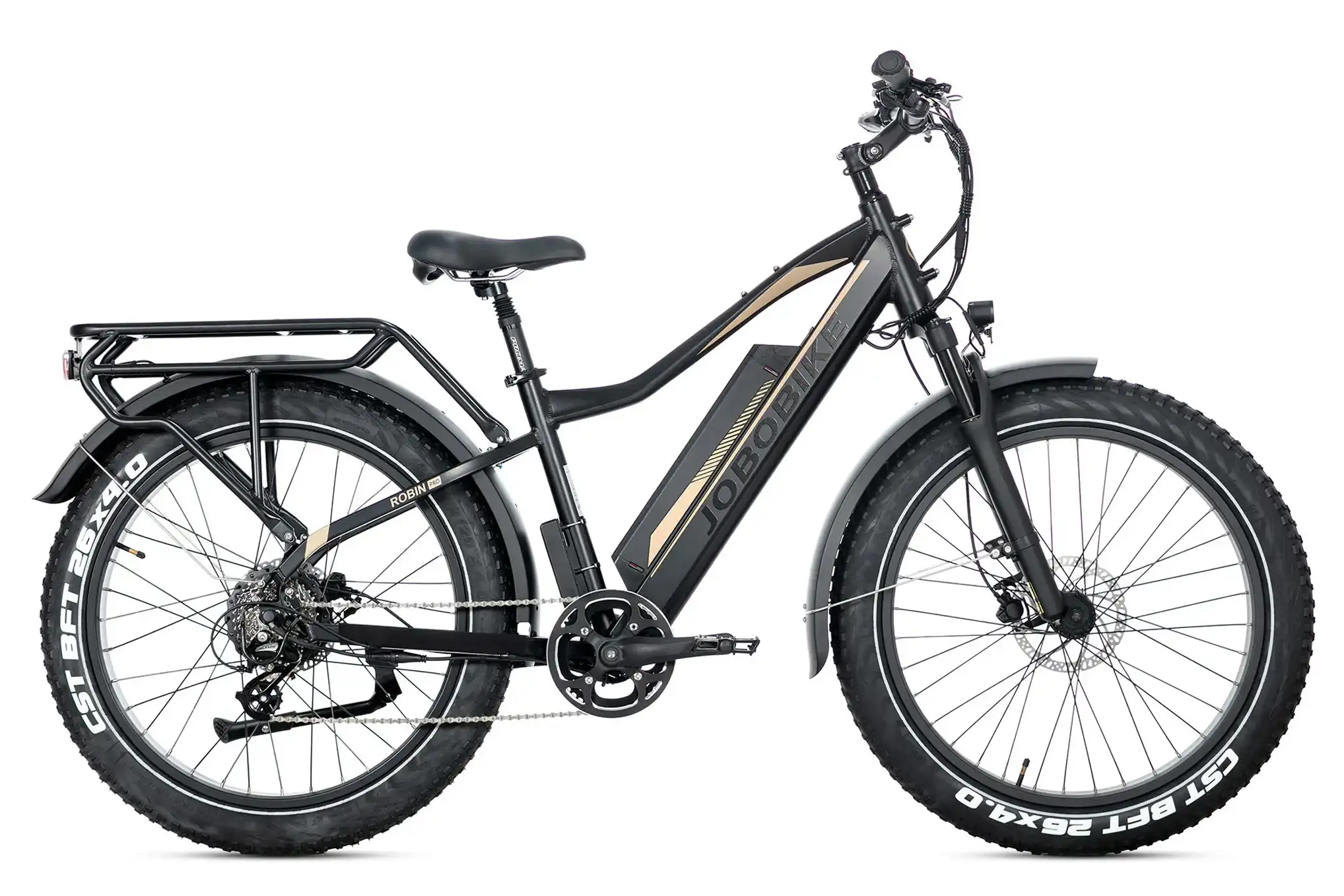
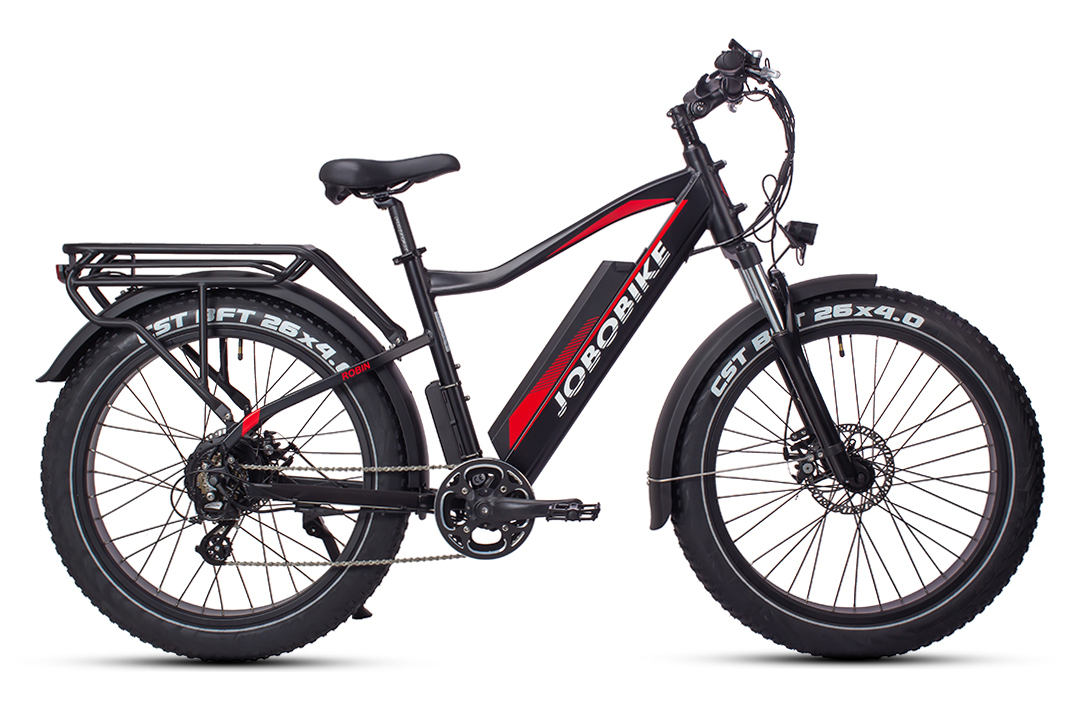 JOBOBIKE Robin